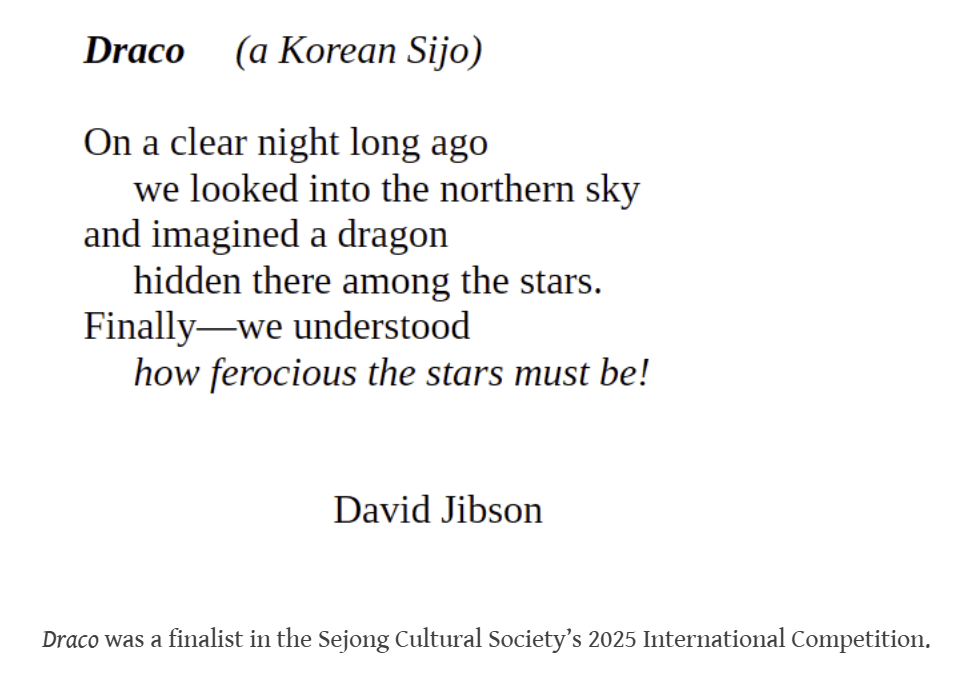
Draco / David Jibson
An Honorable Mention in the 2025 Sejong Cultural Society annual sijo poetry competition:
Read all the winners and HMs here:
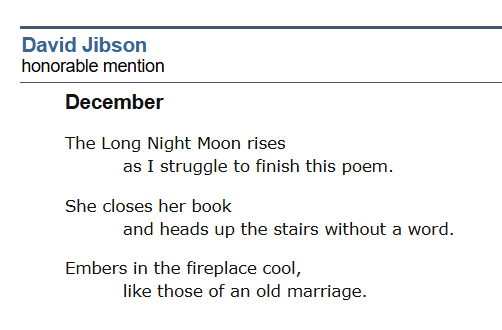

Thanks to editor, Marcus Jones:
Lothlorien Poetry Journal
A couple of years ago I dove deeply into Korean Sijo. You’ll find a number of these poems on this website, some which have won prizes in international competition. First appearing in 14th century Korea, Sijo is longer than Haiku and goes beyond imagery into story telling. I think you’ll like playing around with this one. Read an article I that wrote to get you started HERE. It’s in PDF format so you can download and print it if you have a mind to. Let me know what you think.
 Pronounced Shi-jo, it is a concise Korean poetic form consisting of three lines, each containing 14-16 syllables, totaling 44-46 syllables. These lines feature a midpoint pause, akin to a caesura, although it need not adhere to a specific meter. The first half of each line encompasses six to nine syllables, while the second half should contain no fewer than five. Each line should consist of four groups of syllables that fall into natural groupings. 4/4/3/4 (total of 15 syllables) for example. Modern Sijo are often presented in six lines with breaks at the caesuras so the syllable groupings might 4/4 followed be a 4/3, or any combination of syllables as long as the total is 14-16.
Many Korean Sijo poets write in sequences of two or more stanzas. One of the most famous and revered Sijo poets, Yi Un-sang, wrote a Sijo sequence of ten stanzas, each stanza following the traditional structure.
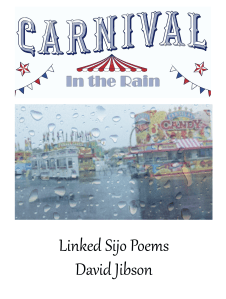
In this book I share some of my own Sijo sequences (or linked Sijo). In some cases these poems began life as free verse poems, several of them published in their original form. I found that the rhythm and musicality of these poems was greatly enhanced by rewriting them following the pattern of the Sijo form.
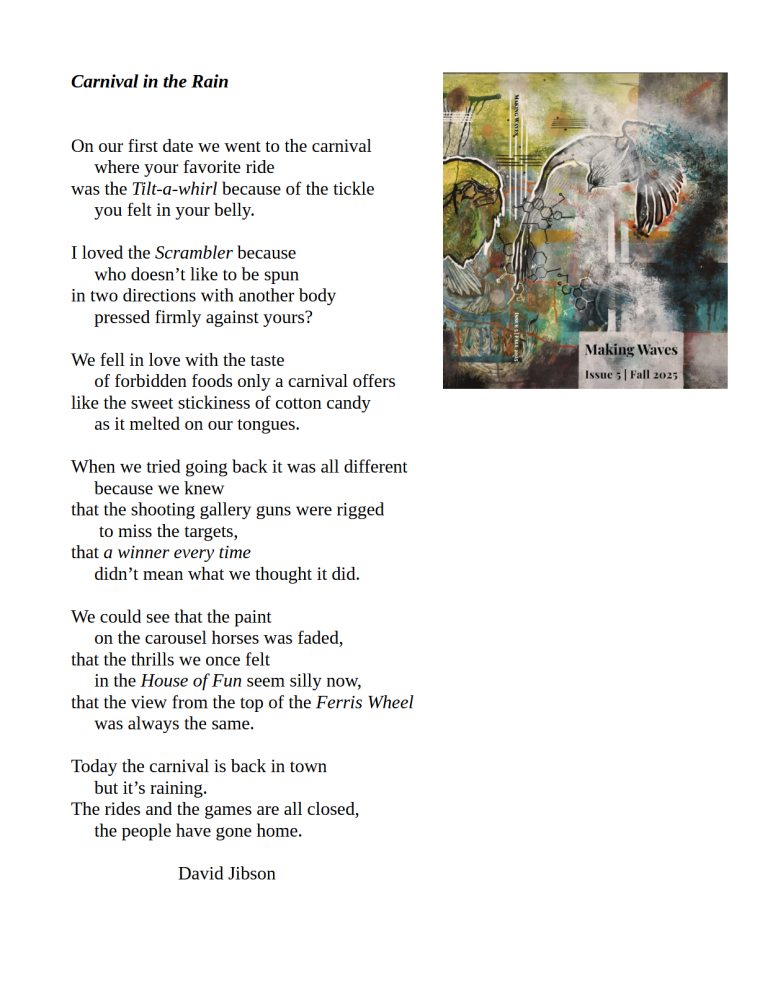
Click on the cover icon to open and read Carnival in the Rain for FREE!
— David Jibson
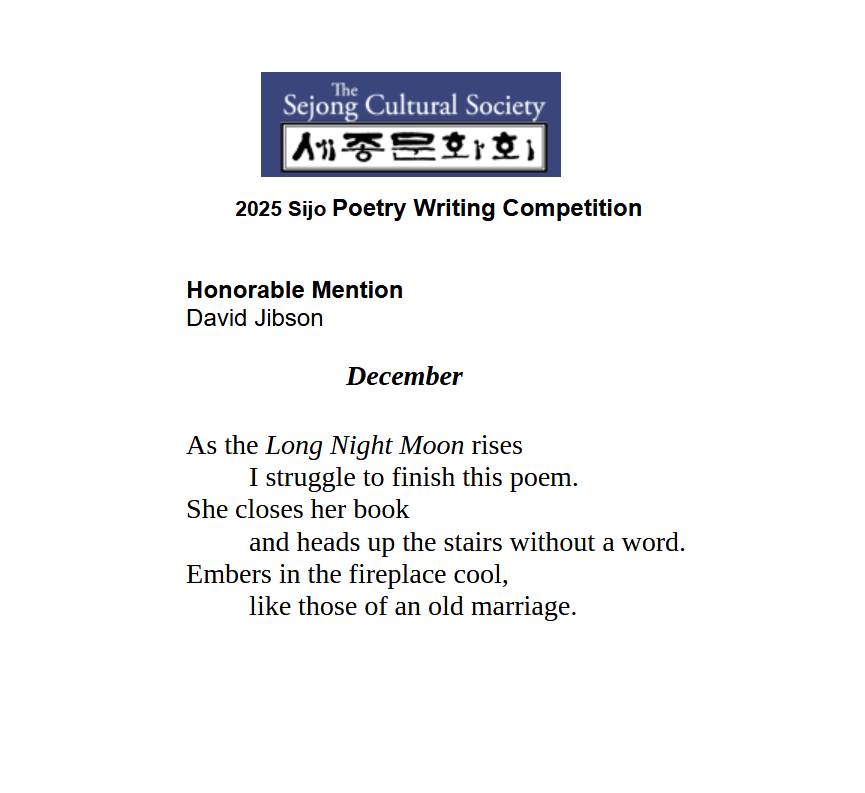
December, a Korean Sijo that won an honorable mention in the Sijong Culural Society’s annual poetry contest. Just click the link.

The book, Year of Moons is a free download at https://davidkjibson.com/
 David K. Jibson